Solar Control Film
Stops a share of the sun at the glass, before it becomes heat you have to pay to remove.
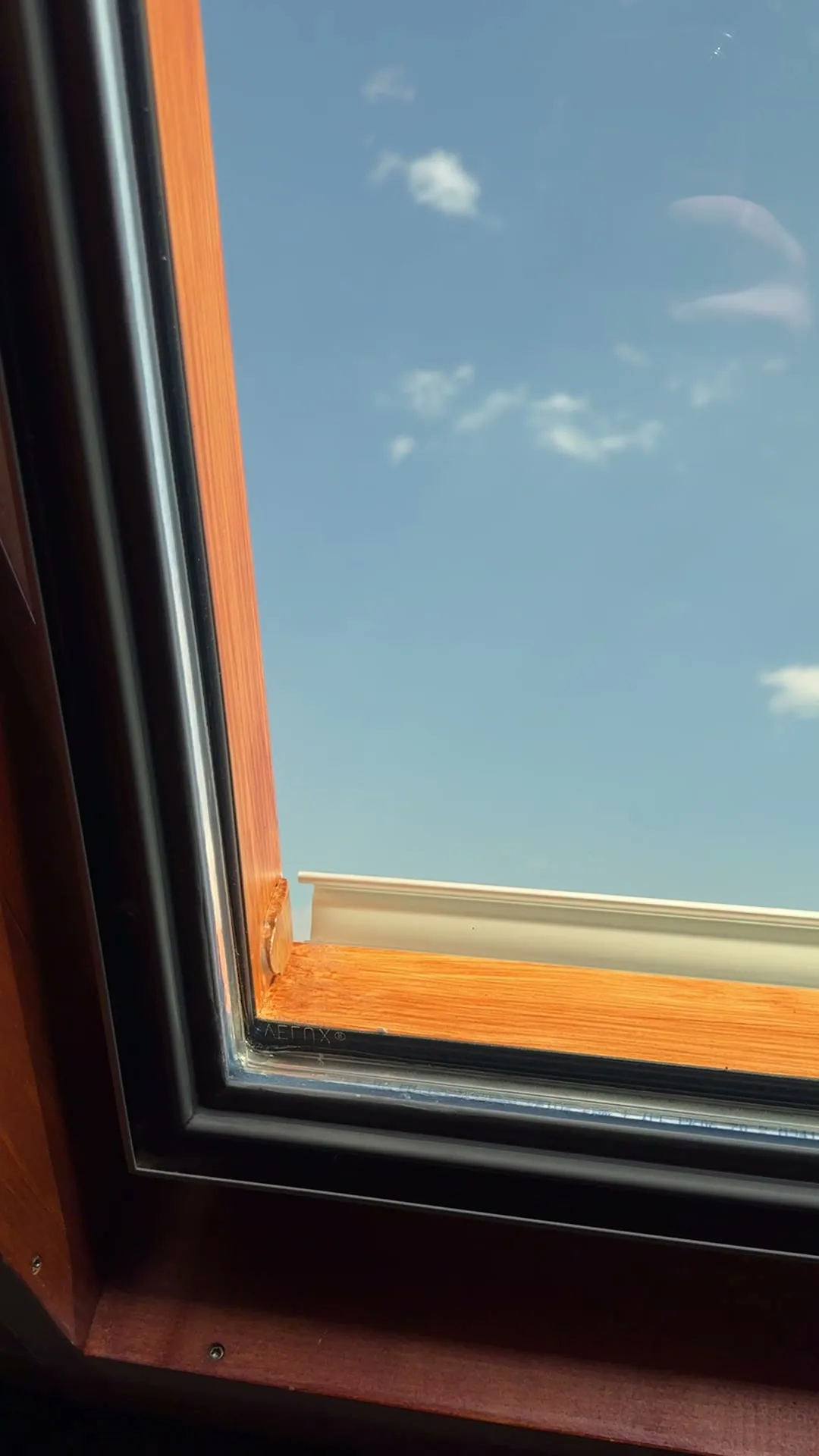
South and west-facing glass turns a room into a greenhouse from roughly May. Solar control film is applied to the glass you already have and rejects part of the incoming solar energy, so the air conditioning stops fighting the window. No scaffolding, no new frames, usually done in a morning.
Send a photoSolar heat
Films are rated for how much total solar energy they reject. The figure is different for every film, and we quote the one on the data sheet for the film you pick, never a general number.
Cooling load
Less heat arriving through the glass means the air conditioning runs less hard through an August afternoon.
Fading
Reduces the UV that takes the colour out of parquet, rugs, artwork and upholstery near the window.
Reflectivity is a choice
Films range from near-invisible to strongly mirrored outside. That choice changes the look of the building as much as the performance.
- Apartment windows and balcony glazing
- Offices and meeting rooms
- Shopfronts and display windows
- Conservatories and roof glazing
- Showrooms and restaurants
- Atria and stairwell glass
Near-clear
Barely reads as film from either side. Chosen for heat and UV rather than for looks.
Neutral tinted
The usual compromise: noticeably cooler and less glaring, with the view largely unchanged.
Reflective
Strongest solar performance and daytime privacy, at the cost of a mirrored facade.
Performance figures, visible light transmission, solar energy rejection, UV rejection, glare reduction, belong to a specific film, not to a service. Ask us which film suits your glass and we will show you its published data.
Some films are not suitable for certain glass types, particularly toughened or laminated units and sealed double glazing. We check the glass before recommending anything.
- Will the room go dark?
- Only as much as you choose. Films run from near-clear to strongly tinted, and we will show you samples against your own glass before anything is cut.
- Inside or outside the glass?
- Internally in most cases. It lasts longer and is easier to keep clean. Some glass types call for an exterior film, and we will say so if yours does.
Not sure what you need?
Send a photo. Get an answer.
That is fine. Most people are not.
Tell us what is bothering you about the window, room or surface. Send us a photo and one sentence about what you want changed. We will tell you what can be done and what the next step looks like.
Tell us what you're working with
A photo gets you a far more useful answer than any description. It is enough for us to recommend a direction and give you an indicative figure, before anyone comes out to measure.